
Our Tours
Discover other tours
-

-

-
 Amazonian Food Tour Diving into the amazon rain forest.
-
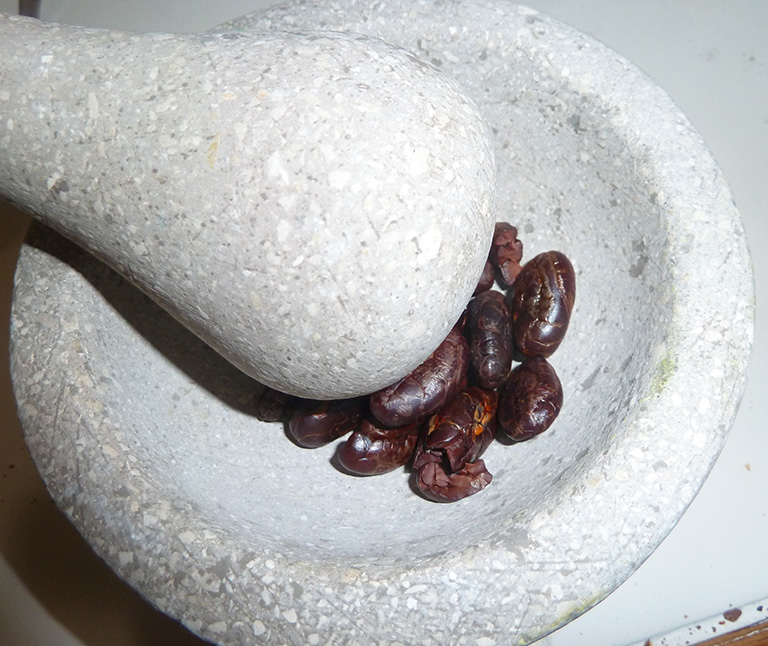 Peruvian Chocolate Workshop Discovering another Peruvian delight
-
 Ceviche Tour Experience Peru An immersion into the most famous Peruvian dish.
How to build a better household trial list before you buy
Shopping decisions often become difficult for a simple reason: too many products look acceptable at first glance. Packaging promises convenience, ingredients sound familiar, and reviews can blur together after a few minutes of reading. A more useful approach is to treat shopping as a series of small trials. Instead of committing to a large pack, a full subscription or an expensive replacement, you can test what fits your household, routine and budget.
That is where free samples UK offers can help. A sample is a small piece of evidence. It lets you assess a product in your own home, with your own preferences and constraints, before deciding if it deserves space in the weekly shop. This method works especially well for products that are hard to judge from a screen, such as skincare, cleaning liquids, snacks, drinks and personal care items.
Start with a trial question
Do not collect samples without a reason. Begin with a question that a small amount of product can answer. You might want to know if a moisturiser irritates sensitive skin, if a coffee has enough flavour for your morning routine, or if a stain remover works on the clothes your family actually wears. A clear question gives the trial a purpose and makes the final decision easier.
Keep the question narrow. “Will this improve my life?” is too broad to assess in a few days. “Does this detergent remove food marks at the temperature I normally use?” gives you something practical to observe. The answer may save money, time or cupboard space.
Make samples earn their place
Free products can feel harmless because they do not require an immediate payment. They still have a cost in the form of storage, attention and future purchasing decisions. A drawer filled with sachets becomes difficult to manage, and forgotten items can pass their best-before date.
Set aside one small container for samples. Give each item a note with its arrival date and the question it should answer. You do not need a complicated spreadsheet. A short list on your phone can record the product, the date tested, the result and the price of the full-size version.
- Keep only products that match a current need or planned purchase.
- Record allergies, skin reactions and other personal considerations before testing.
- Use one new skincare or cleaning product at a time when possible.
- Compare the sample with the product you already use, rather than judging it in isolation.
- Check the full-size price, quantity and expected frequency of use before buying.
- Recycle packaging promptly once the trial has finished.
Test products in real conditions
A sample can give a misleading impression if you use it in an unusual situation. A shampoo tested after a day indoors may feel different from the same product used after exercise. A ready meal sampled when you are hungry may seem better than it tastes during an ordinary workday. Try to use the product in the setting that matters to you.
For household products, this may mean testing a cleaner on the surface where marks normally appear. For food and drink, follow the preparation instructions first, then adjust them if you normally prepare similar items differently. For skincare, use a small amount on an appropriate area and allow enough time to notice discomfort or dryness. Product trials should fit normal habits, because those habits determine the value of a purchase.
Judge value beyond the sticker price
A low price does not automatically make a product good value. A larger bottle may cost more at the till but reduce repeat purchases. A concentrated formula may need less product per use. A cheaper snack may be less satisfying, leading to another purchase later in the day. Samples help you examine these details before you commit, but you still need to calculate the likely cost per use.
Write down how much you used during the trial and how often you would expect to use it. Then compare the full-size price with a familiar alternative. This can reveal that a product with a higher shelf price is affordable in practice, while a discounted item offers little benefit if you dislike its scent, texture or performance.
Use failed trials as useful information
A product that does not suit you has still answered a question. Perhaps the fragrance is too strong, the packaging is awkward, or the results do not justify the price. Record that reason in plain language. “Did not like it” may be accurate, but “left a residue after rinsing” will help you avoid similar products later.
Negative results become more useful when you look for patterns. You may learn that pump bottles work better than jars, that certain ingredients cause irritation, or that individually portioned products create unnecessary waste in your home. Those observations can shape future shopping choices more effectively than a star rating alone.
Turn small trials into a calmer shopping routine
Once a month, review the products you have tested. Keep the winners on a short list, remove anything you will not use, and note the products that solved a specific problem. This review prevents samples from becoming a source of clutter and gives you a personal reference point for future purchases.
The aim is not to test every product available. It is to slow down the decisions that carry the most uncertainty. A modest sample can reveal how something performs, feels and fits into daily life. When you combine that experience with a price-per-use check and a clear record of the result, your shopping list becomes more deliberate without becoming complicated.
